A Brief History
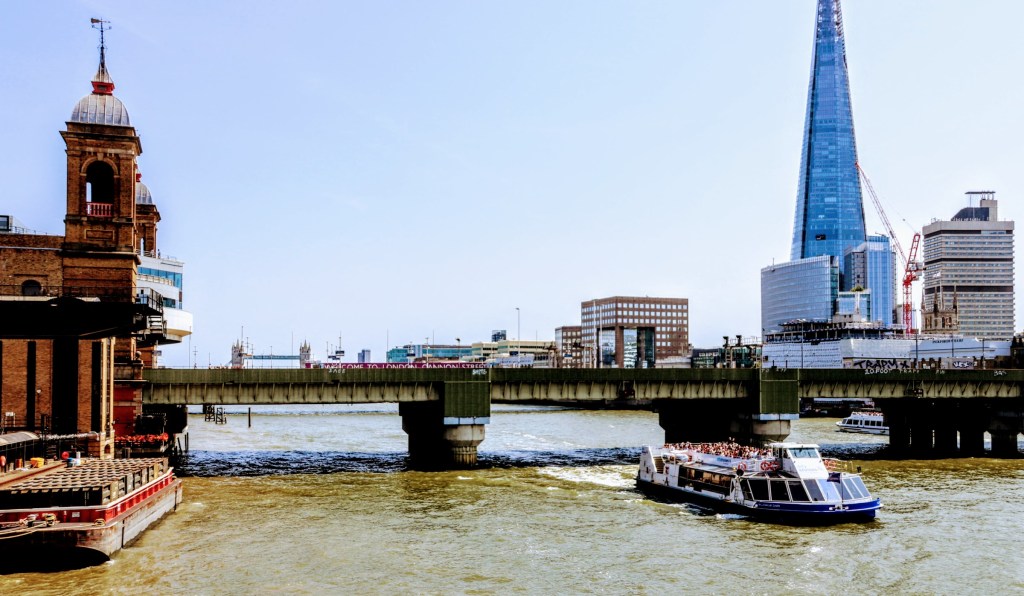
The original Cannon Street Railway Bridge was a significant piece of Victorian engineering, carrying railway lines into Cannon Street Station. Constructed during the expansion of rail transport in the 19th century, it has been altered and maintained over time to support increasing traffic and changing needs.
The project was part of a larger plan by the South Eastern Railway Company to extend its network into the City of London. Before the bridge existed, trains from south and south-east London could go only as far as London Bridge station. Parliament passed an Act in 1861 that permitted the building of the approach lines, Cannon Street Station, and the railway bridge across the Thames.
Construction began in 1863 under the supervision of the engineer Sir John Hawkshaw, with John Wolfe-Barry also involved in the design. The bridge opened in 1866, the same year that Cannon Street Station was inaugurated. It was initially named Alexandra Bridge in honour of Princess Alexandra of Denmark, the wife of the future King Edward VII.
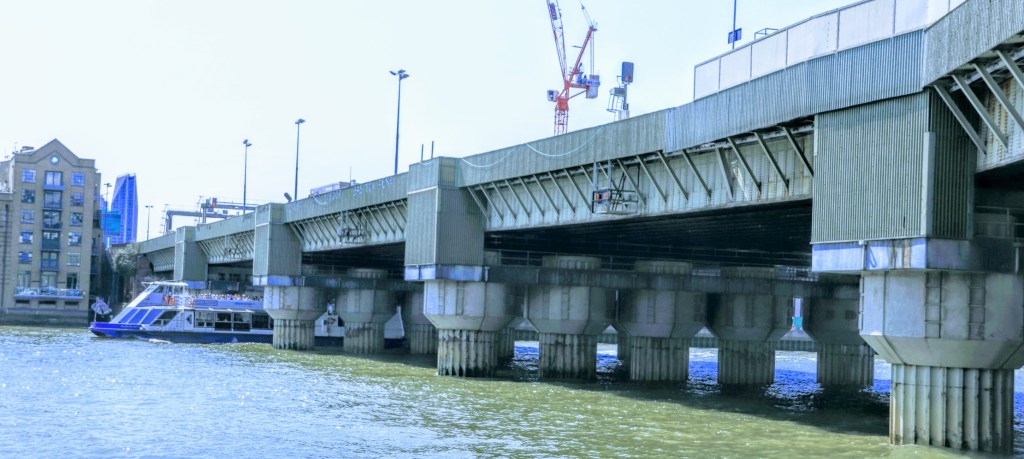
The original structure of the bridge was typical of Victorian railway engineering. It consisted of five wrought-iron spans supported by groups of cast-iron Doric columns rising from the riverbed. These columns were filled with concrete and brickwork, providing stability. The bridge was 706 feet (215 m) long, carrying five railway tracks, with footpaths on both sides.
The upstream footpath was open briefly to the public between 1872 and 1877, although they had to pay a toll. The downstream path was used by railway staff.
As rail traffic increased in the late 19th century, the original bridge became too narrow. Between 1886 and 1893, the bridge was widened and strengthened under engineer Francis Brady. His work added extra cast-iron columns and expanded the width so that it could carry ten tracks, which briefly made it one of the widest railway bridges in the world.
Throughout the 20th century, the bridge underwent further changes to support heavier trains and adapt to new railway standards. Major strengthening and reconstruction took place between 1979 and 1982 when much of the original ornamentation was removed. The bridge also acquired a more functional appearance, focusing on structural strength rather than decoration.
In addition to structural changes, the bridge has been part of artistic projects in the 21st century. For example, as part of the Illuminated River scheme, new LED lighting was installed, celebrating the bridge and neighbouring crossings.
Today, Cannon Street Railway Bridge still plays an important role in London’s rail network, carrying trains between stations south of the Thames and the financial district on the north bank. While much of the original Victorian design has been altered, the bridge remains an enduring example of 19th-century engineering meeting modern needs.
My Journey and Images
I visited the bridge, which sits between Southwark Bridge (upstream) and London Bridge (downstream) on the 6th of August 2025. I took a circular route over Southwark Bridge, returning via London Bridge with occasional stops along Dowgate Hill, through Fruiterers Passage, Bankside and Hanseatic Walk.
I posted the images on Bluesky and LinkedIn between the 29th of September and the 24th of October 2025.
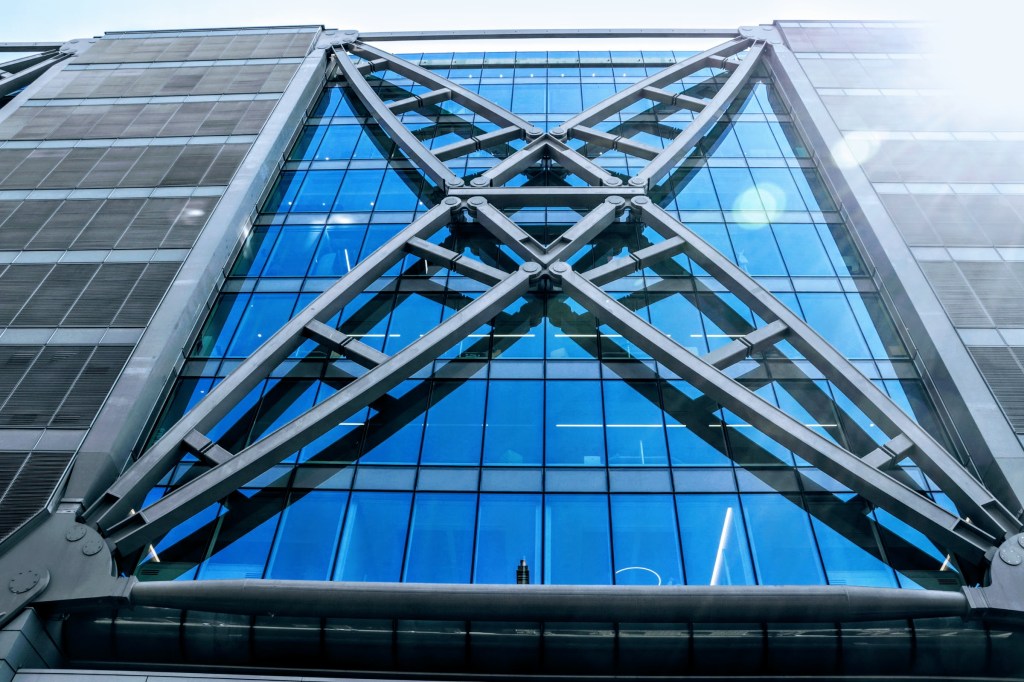
#01 ‘X’ marks the spot
…and the spot is the side of Cannon Street Station. For me, this is a good example where structural architecture provides an interesting feature. Of course, you only see this if you look up.
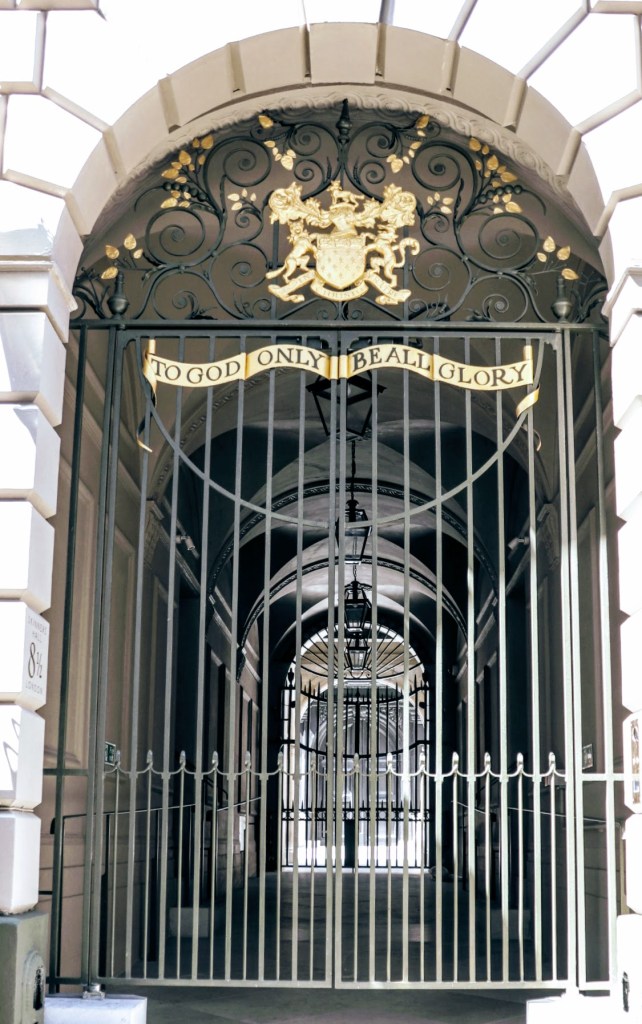
#02 God’s Gates
The entrance to Skinner’s Hall is quite imposing. This company, whose original purpose is now part of our social history, is now committed to education and philanthropy
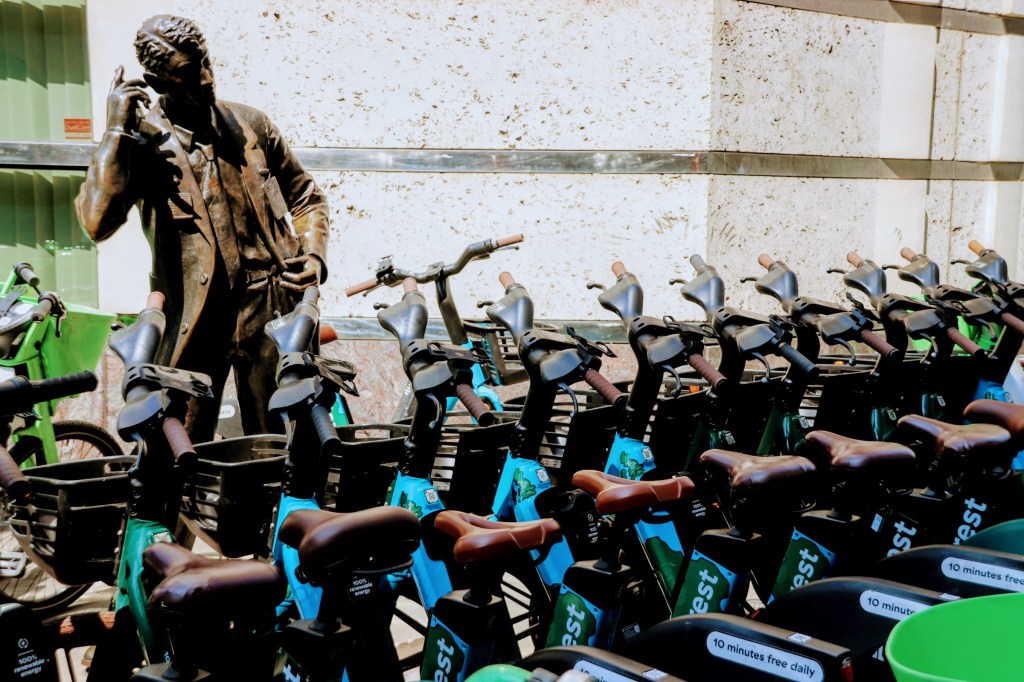
#03 ‘Hello!’, Can I hire a bike?
‘…and can I hire them all for 10 minutes at a time?’
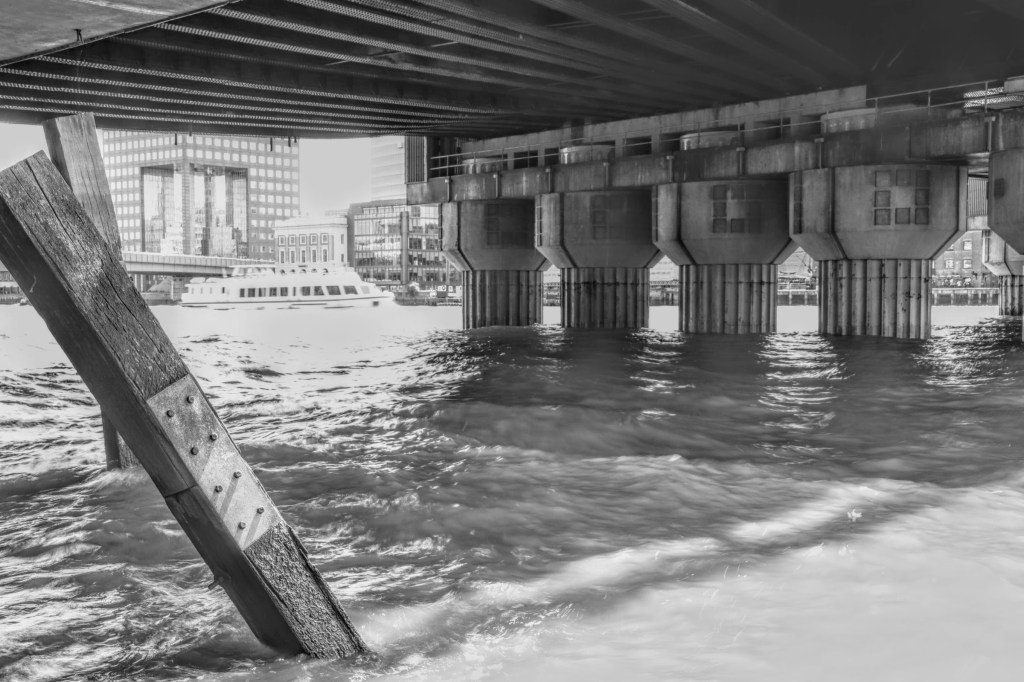
#04 Concrete Pillars
I think I counted 25 of these sturdy pillars holding up the railway bridge.
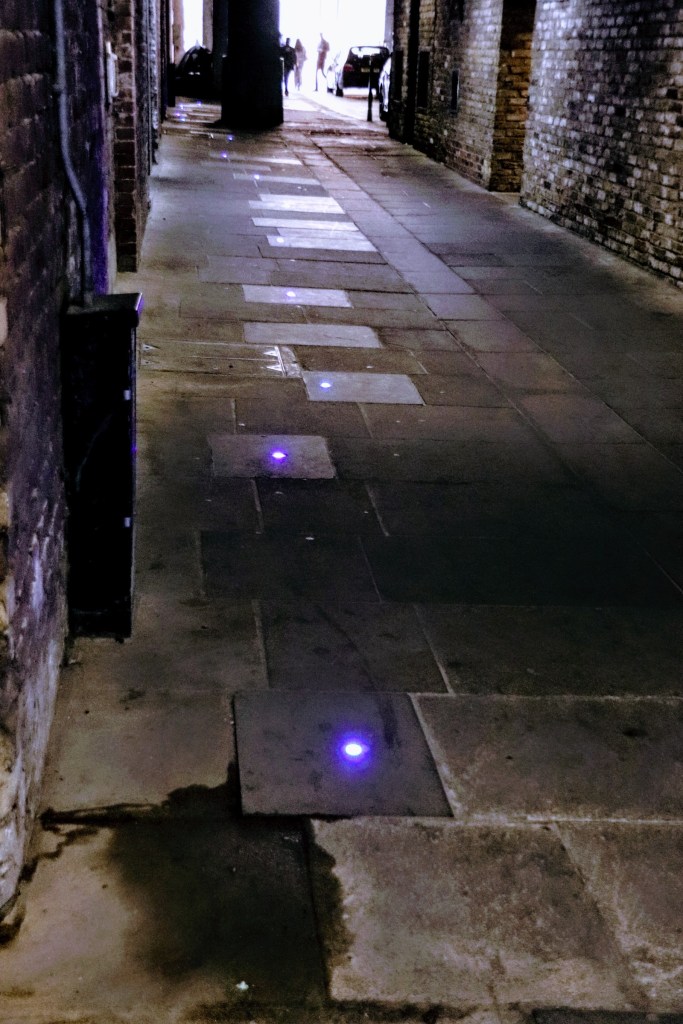
#05 Steelyard Passage
Not a pretty passage, but the blue pavement uplighters are an attempt to make the walk through interesting and less threatening
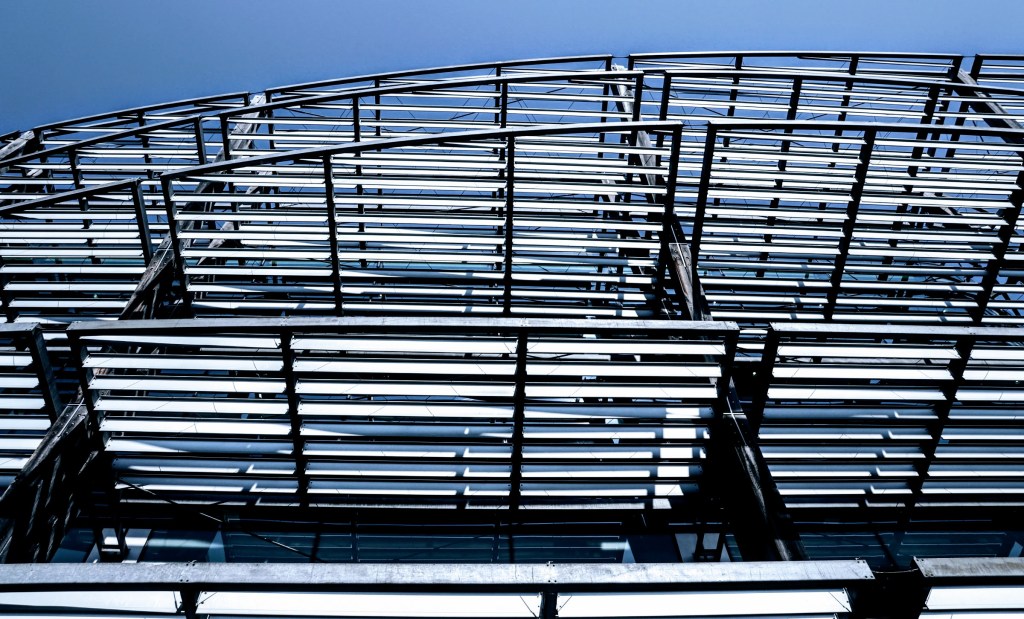
#06 Vertical Screens
Look up as you walk along the Hanseatic Walk, and what do you see?
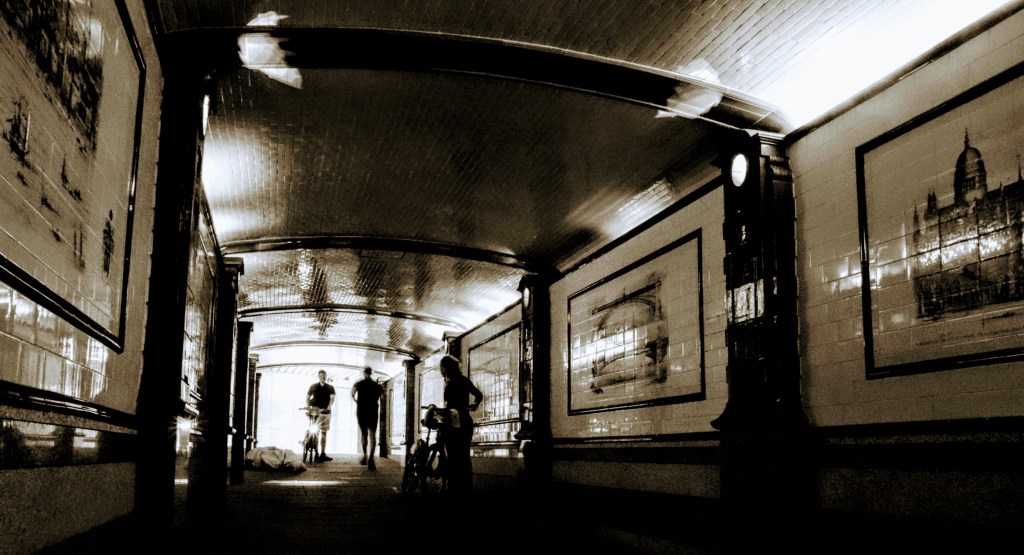
#07 Subway Shadows
Fruiterers’ Alley, under the northern approach to Southwark Bridge, is a surprise. It has become a stopping point for the casual walkers who enjoy the murals along its length.
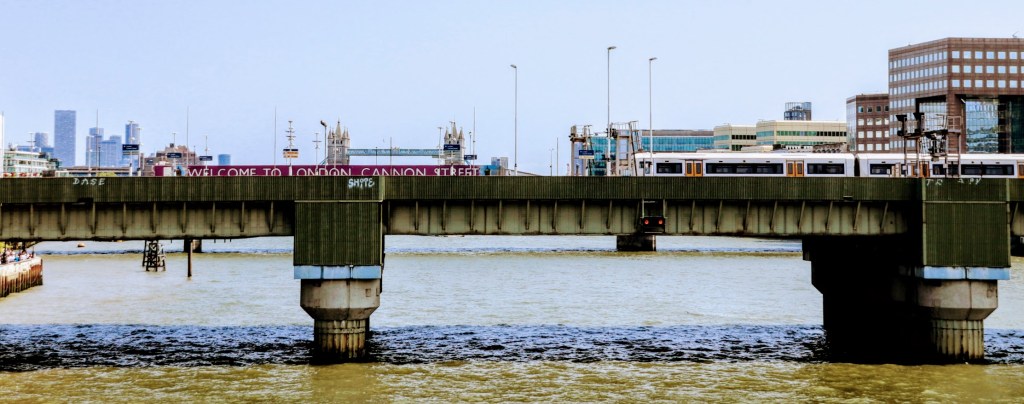
#08 ‘Welcome to London Cannon Street’
The sign on the bridge says it all. Although the bridge isn’t particularly striking, it does act as an excellent focus for many of London’s iconic structures.
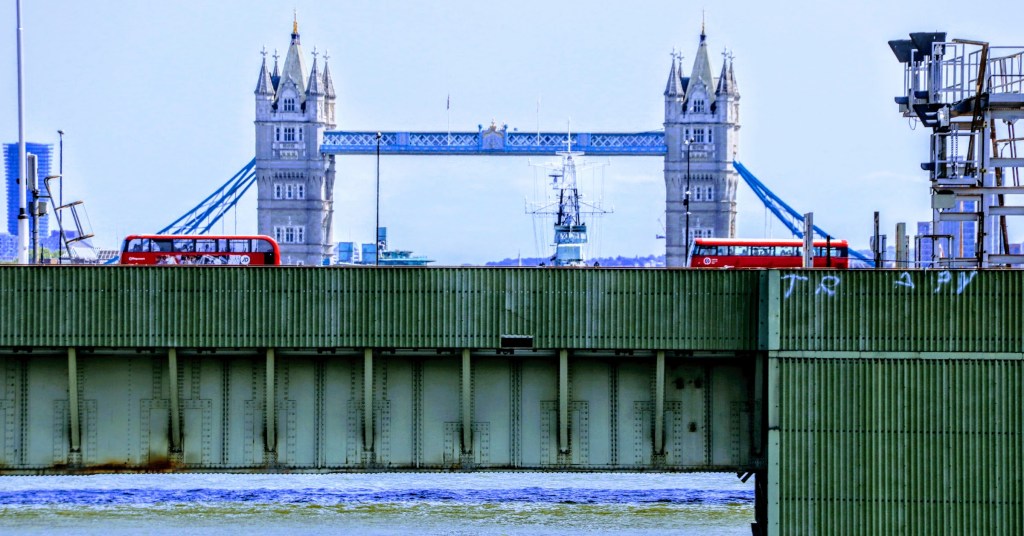
#09 Four London Icons – can you name them?
In case you can’t work them out: The river, Tower Bridge, HMS Belfast and Red Buses. Can you see any others?
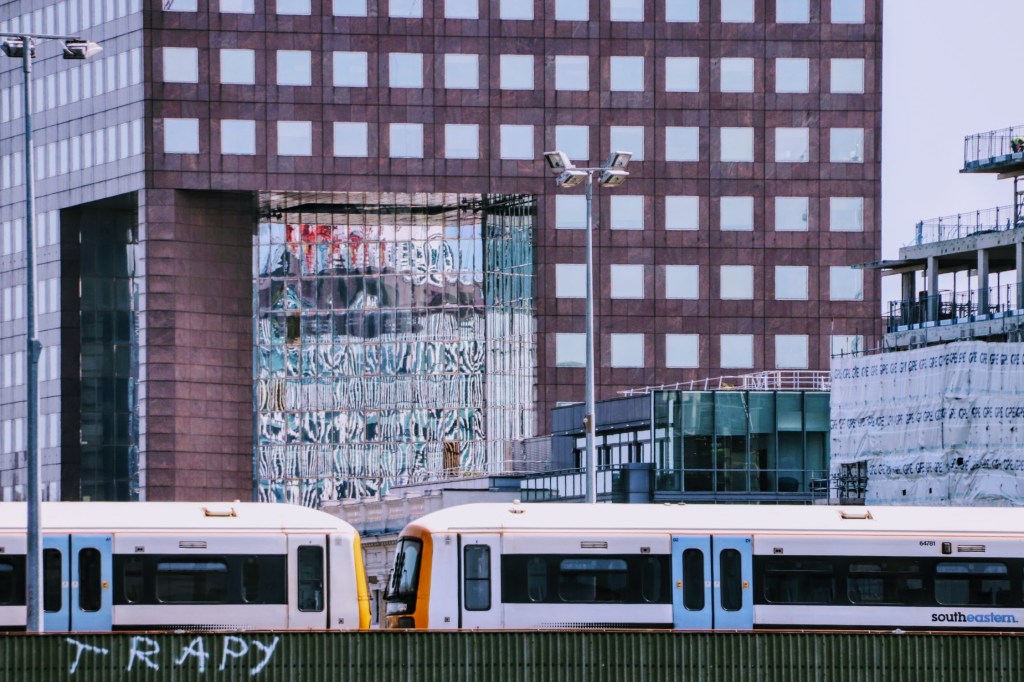
#10 ‘Trapy’ asks, Can you see St Paul’s?
Look closely at the reflection in the riverside office building known as No. 1 London Bridge, and you can just make out the famous dome.
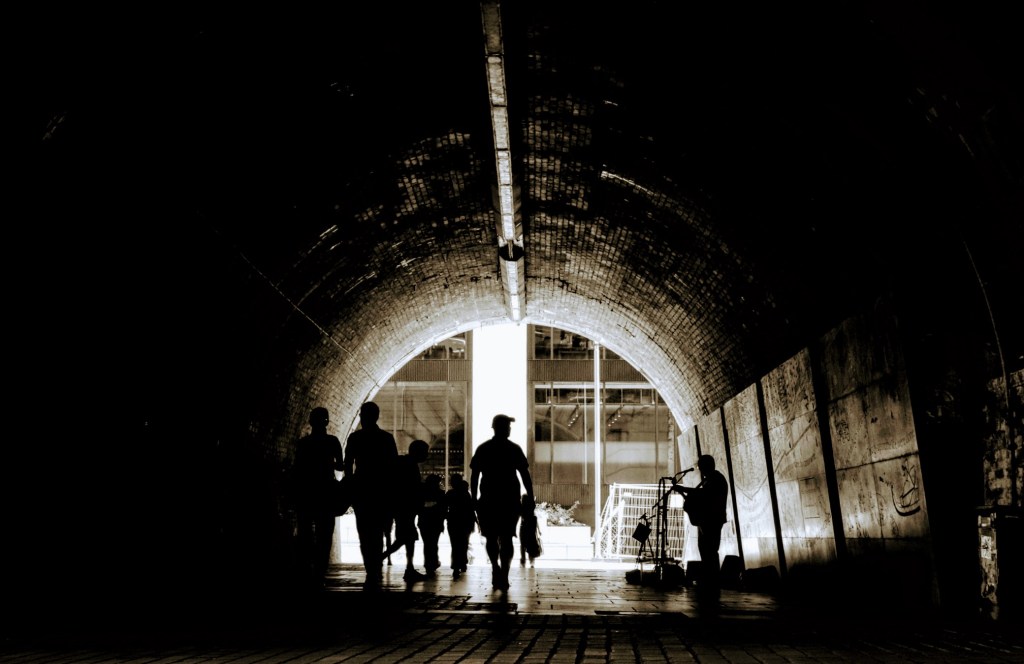
#11 Shadowy Busker
Here’s one of London’s many buskers plying his trade in the arches on the south side under Southwark Bridge. Alas, if you listen carefully, his repertoire is pretty limited.
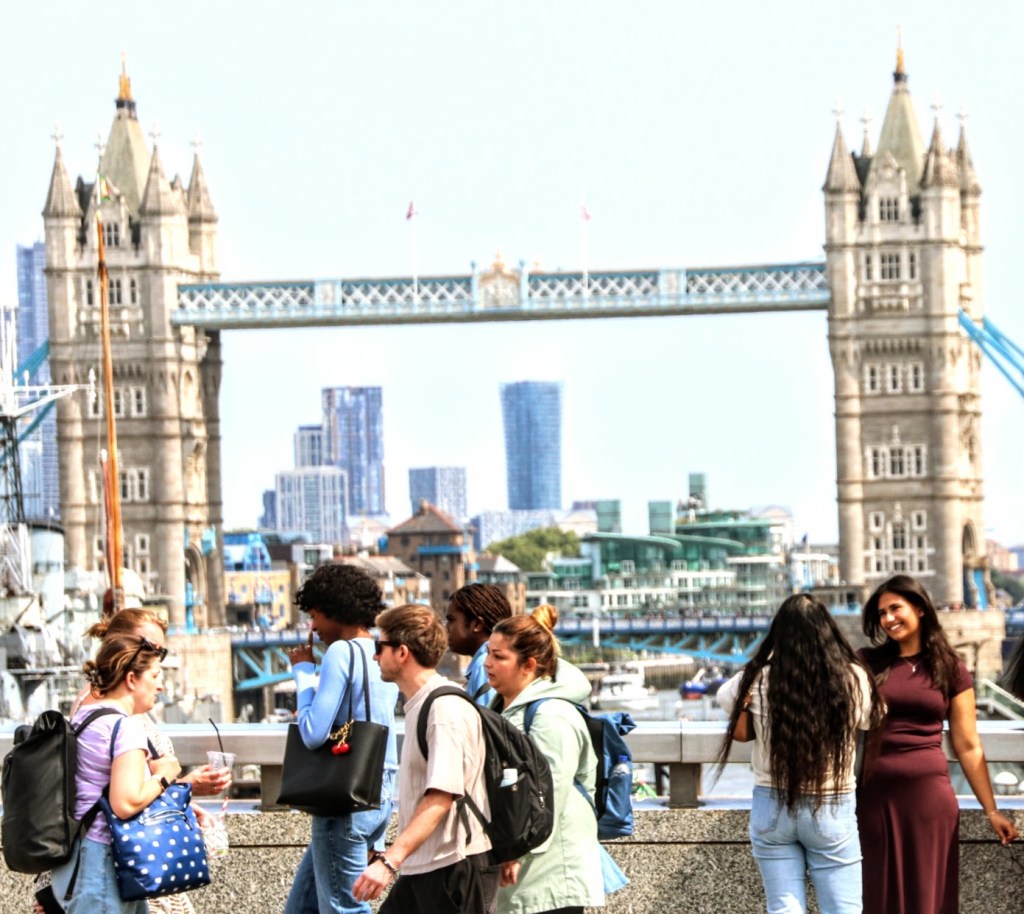
#12 People in Places
You’ve all done it – People Watching. Here are a few of mine whilst I walked along the Thames.
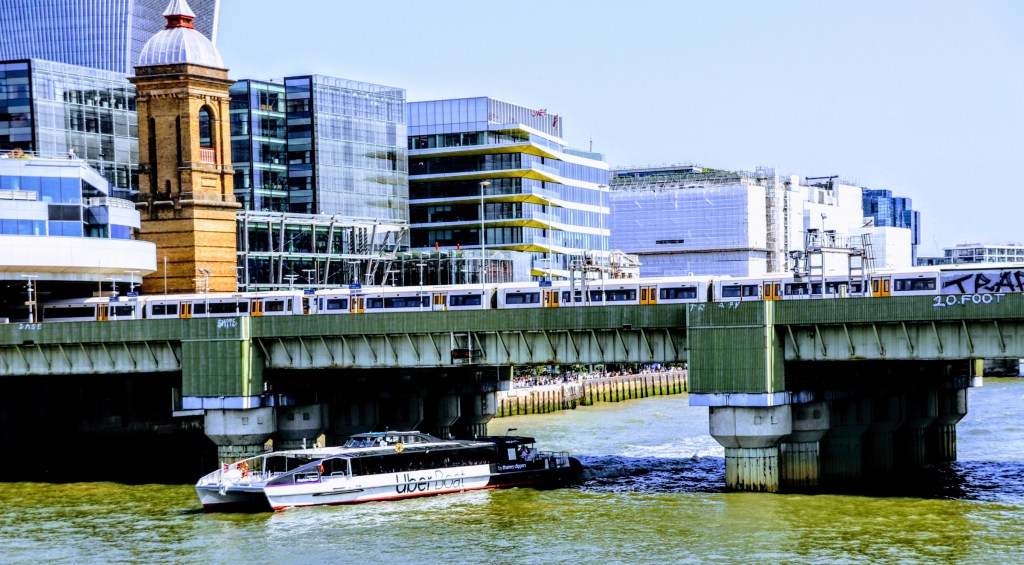
#13 River Roamers
Life and work on the river are constantly moving. What better way to while away a sunny afternoon than enjoying the sights of different vessels making their way along the Thames?
Further Reading


Leave a Reply