A Brief History
The origins of Vauxhall Bridge are rooted in London’s industrial expansion in the 19th century. Originally named the Regent’s Bridge, it was the first iron bridge to span the Thames, which opened in 1816. It was designed by James Walker to help with the movement of goods and people between the growing industrial suburbs of Vauxhall and the political heart of Westminster.
The bridge, nonetheless, faced early financial difficulties. As a toll bridge, it was less popular than free crossings, and the “Vauxhall Bridge Company” struggled to recoup its construction costs. By the mid-1800s, the bridge was also suffering from significant structural decay due to the heavy tidal flow of the Thames and the increasing weight of Victorian traffic.
By the late 19th century, the original iron structure was deemed unsafe. The London County Council (LCC) took over the site and commissioned a replacement. The current Vauxhall Bridge, designed by Sir Maurice Fitzmaurice, was opened in 1906 by the Prince of Wales.
The design incorporated steel arches, reflecting the technological shift from cast iron to more durable steel. It was also wider, to accommodate the new electric tramways that were revolutionising London’s public transport.
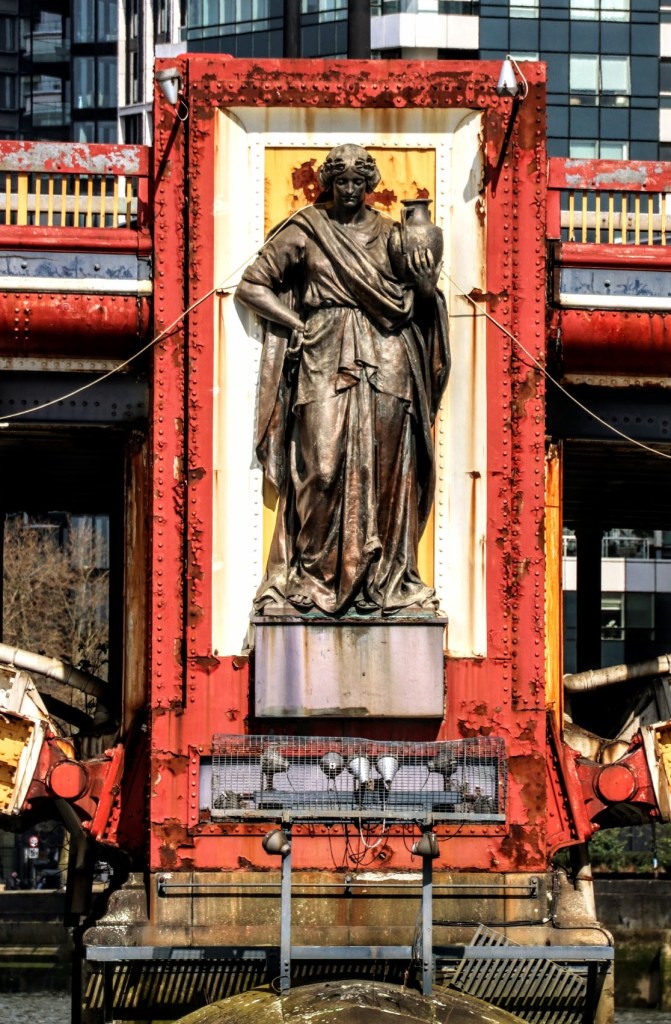
Perhaps the most significant cultural feature of the bridge is the addition of eight monumental bronze statues. Representing Agriculture and Fine Arts on the upstream side, and Science and Education on the downstream side. This was LCC’s effort to model the Edwardian approach of beautifying the city’s infrastructure by combining industrial utility with civic pride.
In the late 20th century, the bridge’s surroundings changed dramatically. In 1994, the SIS Building (Secret Intelligence Service – the headquarters of MI6) was completed at the southern end of the bridge. This transformed Vauxhall Bridge into one of the most photographed landmarks in London, often appearing in popular culture (such as the James Bond film franchise).
Today, the bridge serves as a vital artery for the A202 road and remains a primary example of how London’s infrastructure has adapted to serve different needs—from horse-drawn carts and trams to modern cycling superhighways.
My Journey and Images
I visited the bridge, which sits between Grosvenor Bridge (upstream) and Lambeth Bridge (downstream) on the 26th of March 2025.
My travels took me on an exploration of Riverside Walk and Vauxhall (St George Wharf) Pier, on the South Bank, before crossing the bridge. Then spending time at Riverside Walk Garden on the north bank before popping into Thames Britain.
I ended my journey with a leisurely sail on the Thames Clipper by Uber from Millbank Pier to Canary Wharf. Always a great way to enjoy the river.
I posted the images on Bluesky and LinkedIn between the 21st of May and the 11th of June 2025.
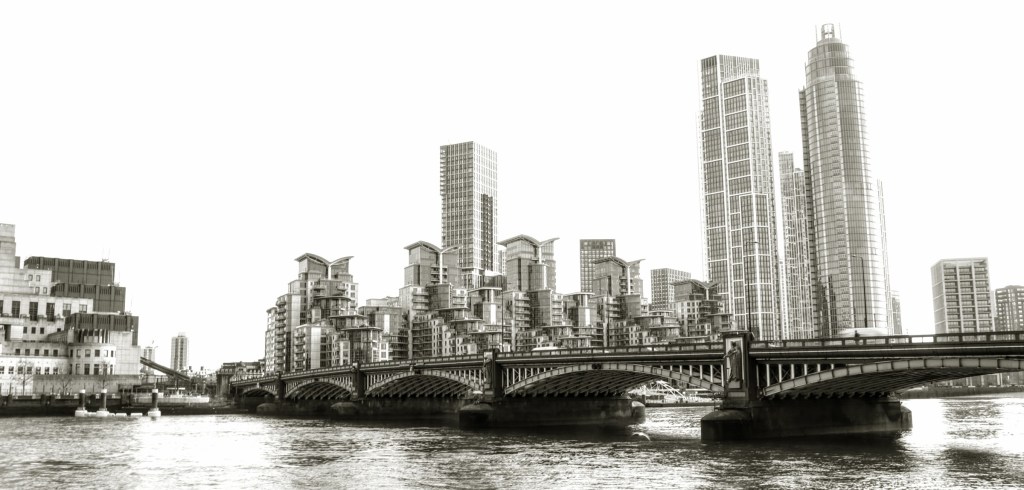
#01: Bridge Views
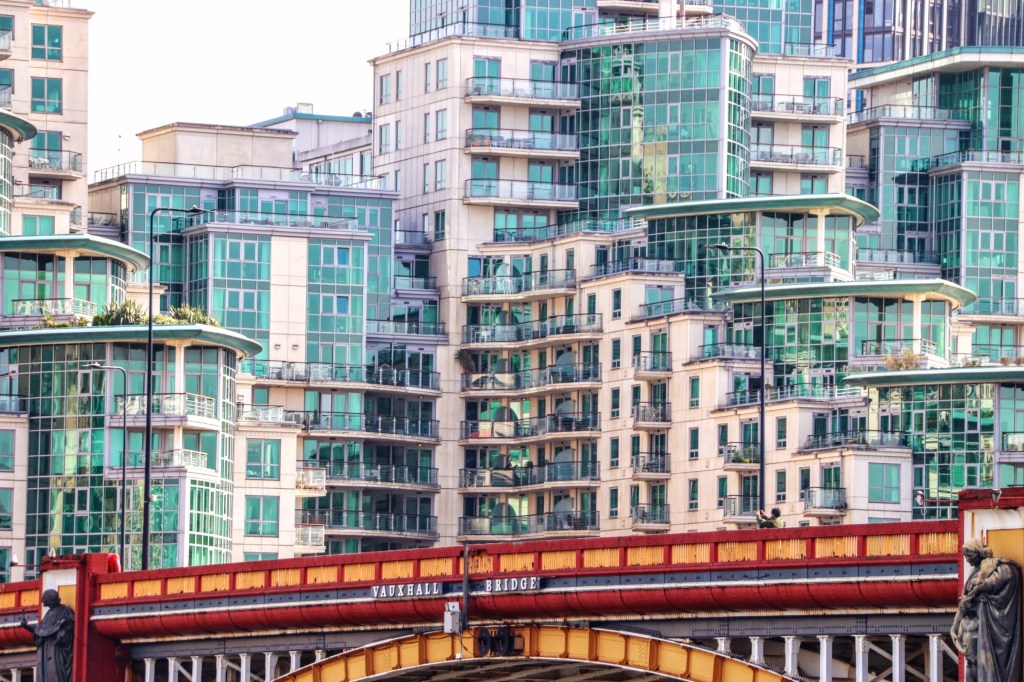
This is the second bridge thus named, which was opened in 1906 and is now severely overshadowed by the oppressive riverside development.
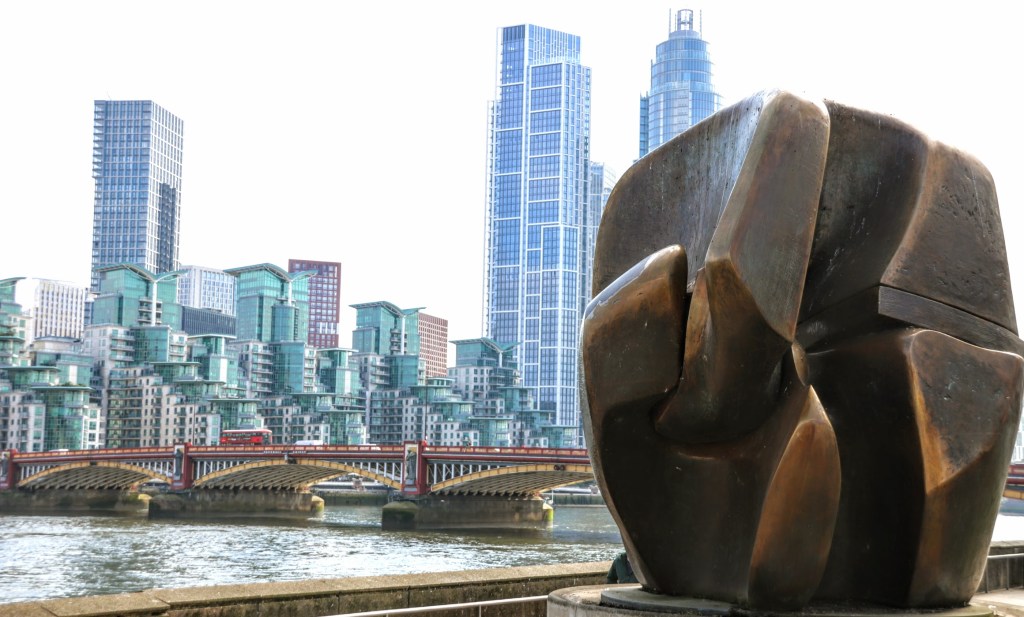
The #HenryMoore sculpture, #LockingPiece, is like a fist fighting the high-rise towers.
#02: Uber by Thames Clipper
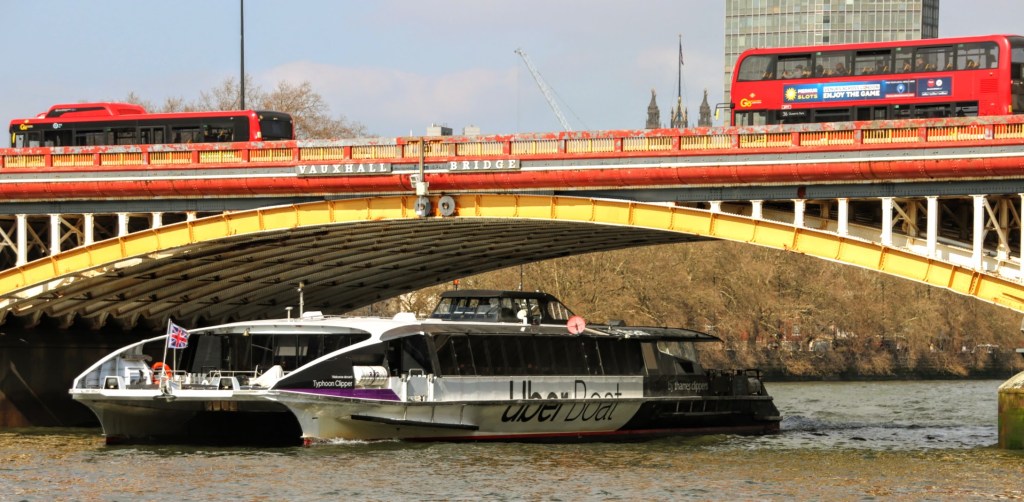
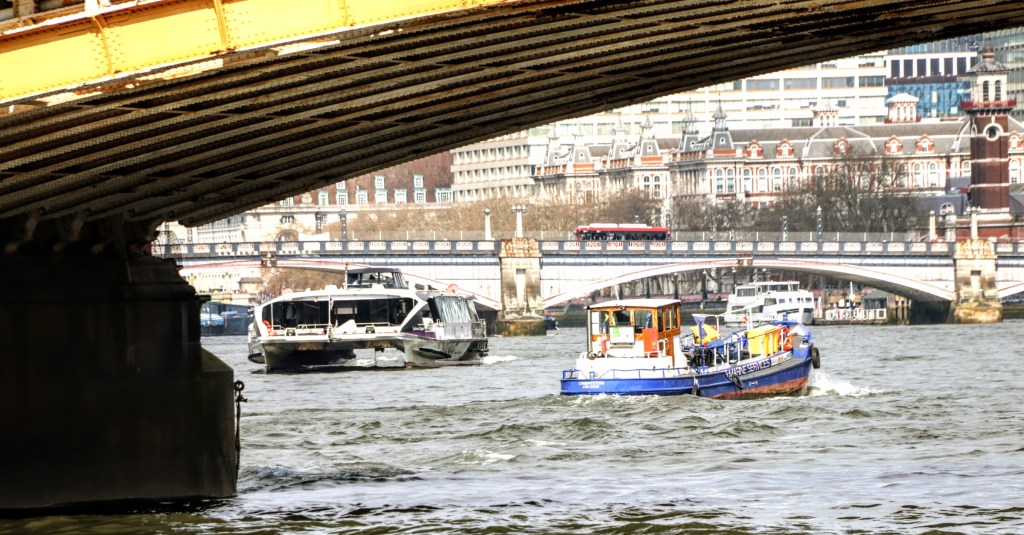
Timing to capture the streamlined catamarans in different locations around the bridge was fun.
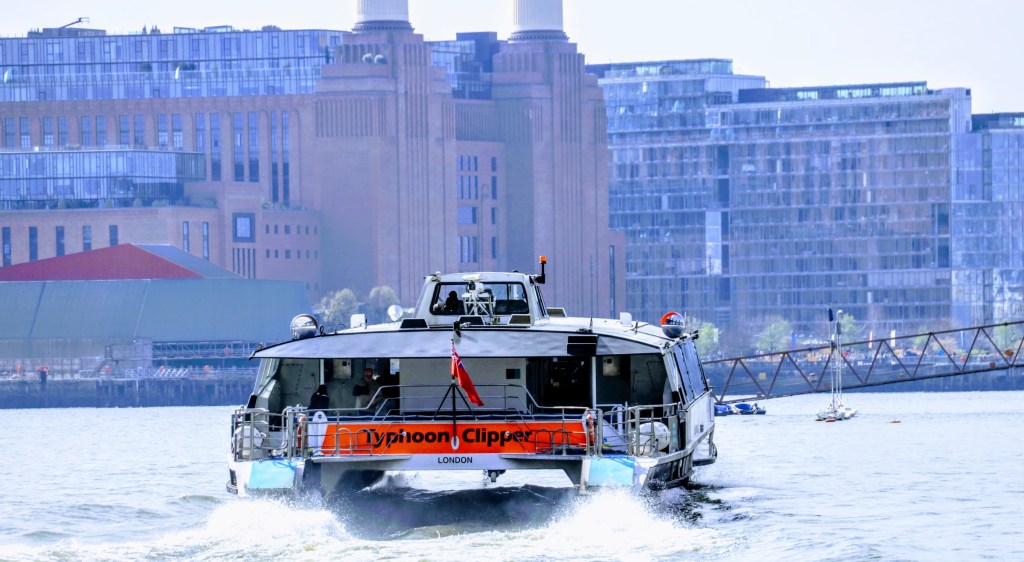
I especially like the placement of the buses as they cross both Vauxhall Bridge (see above) and Lambeth Bridge, or as they power towards Battersea Power Station.
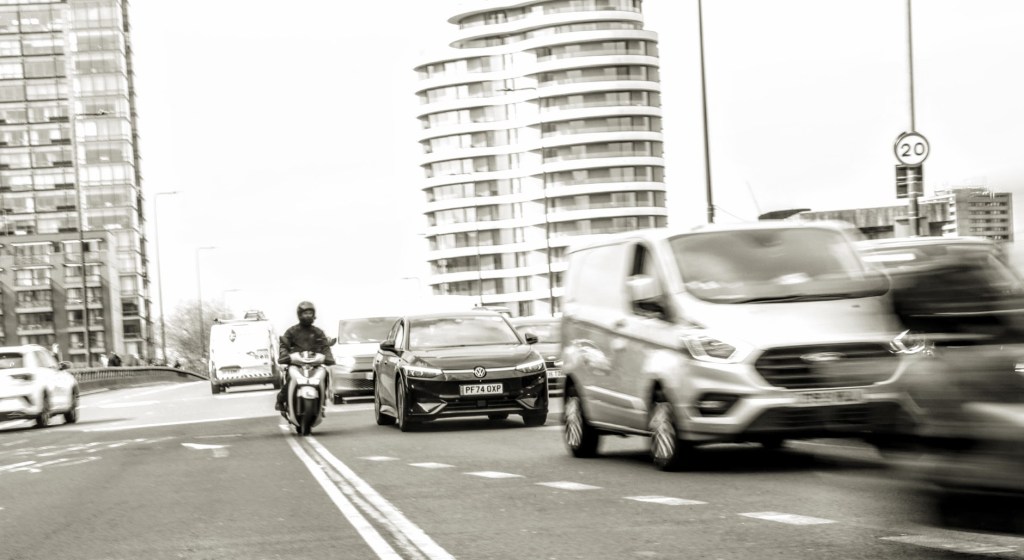
#03: Riding the white lines
The southbound traffic falters as it approaches the traffic lights where the road splits into a bus lane. But that doesn’t deter the learner moped rider as he sees an opportunity to get ahead of the crowd.
#04: You have been warned!
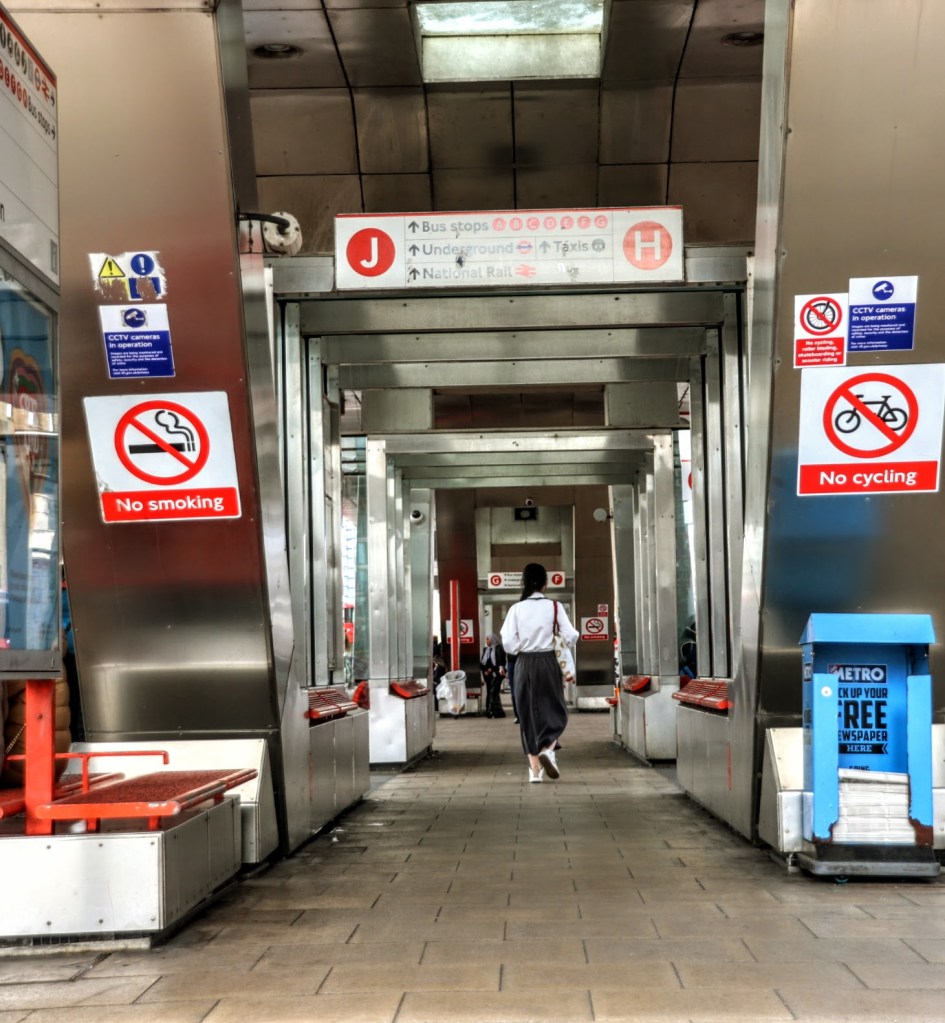
I was amused by the view of the bus shelter where #TfL has plastered the entrance with prohibitive notices and signs that you are being watched. How many passengers take notice as they crane their heads up to find the right lettered stop?
#05: ‘I Spy!’
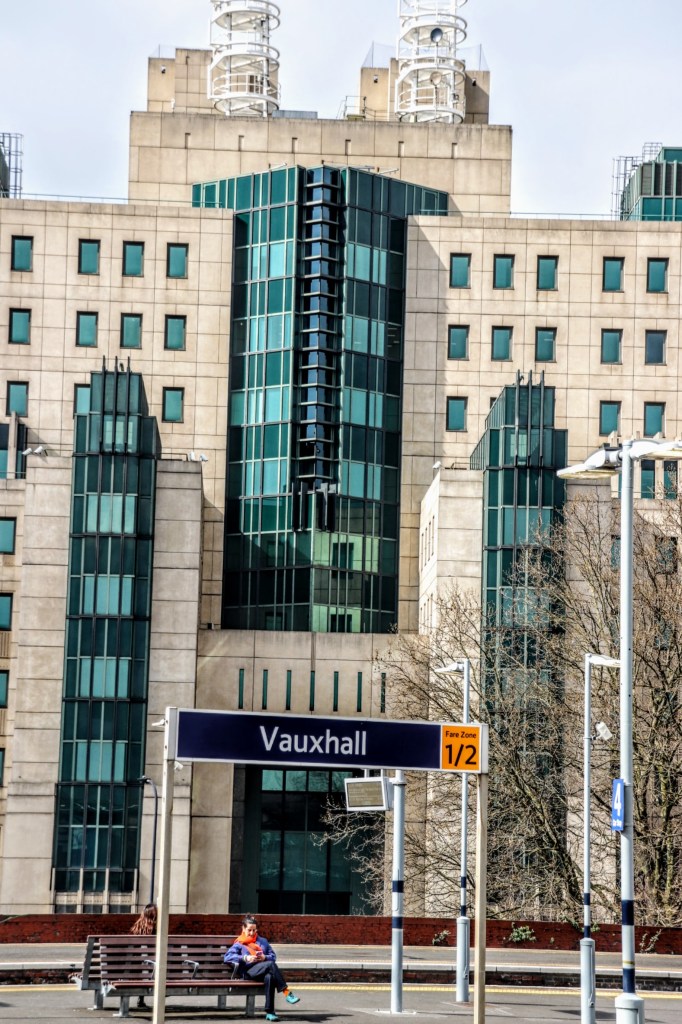
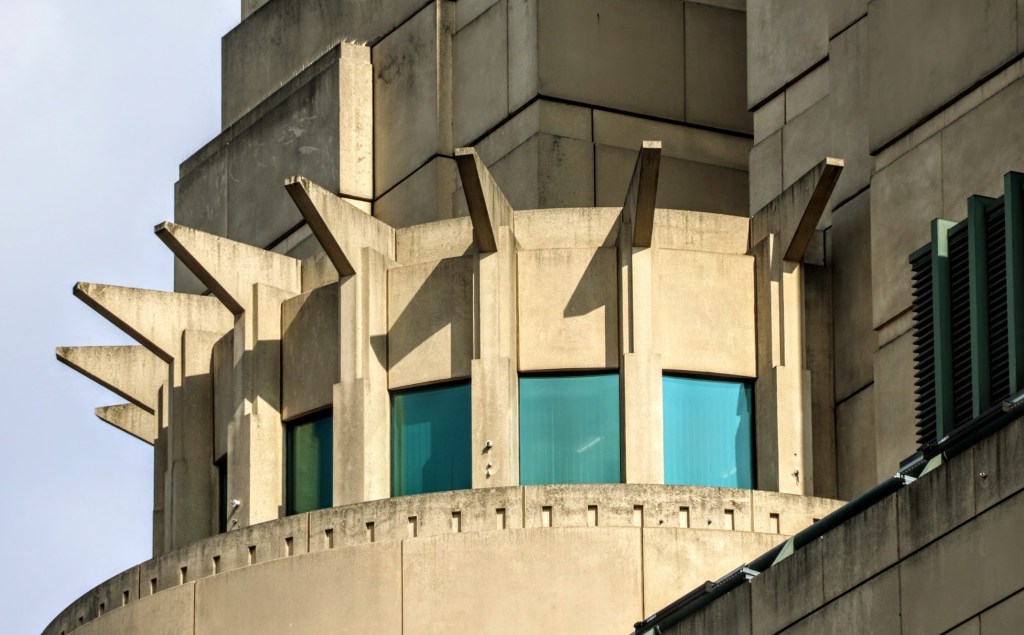
Two views of MI6’s Secret Intelligence Service building at Vauxhall Cross, which will be familiar to some, if only for its appearance in several #JamesBond films. Like it or hate its architecture, it has undoubtedly made its mark along the riverside.
#06: Close Up Views
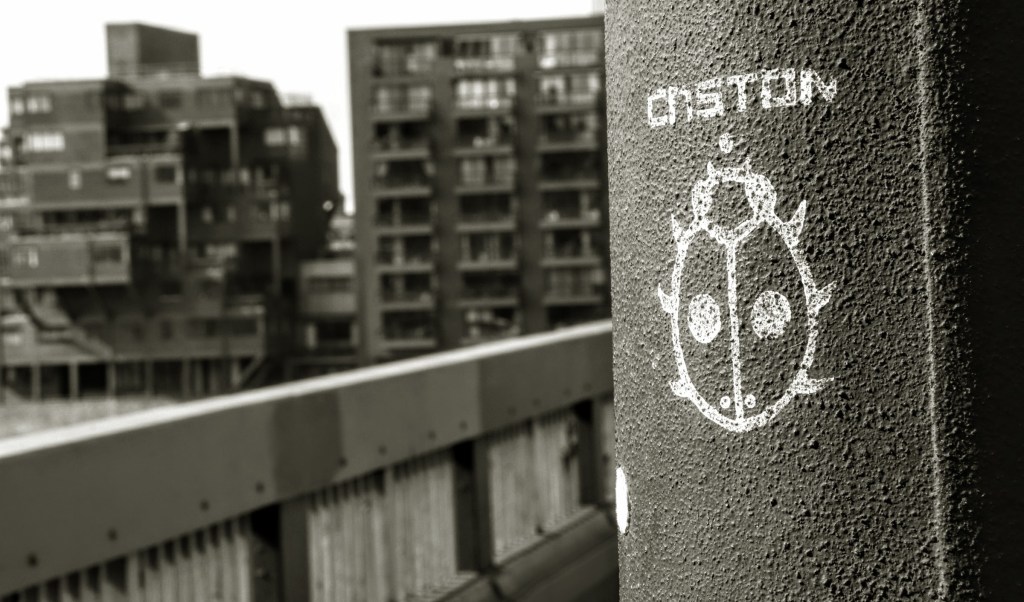
Next time you cross a bridge, take your eyes off your mobile phone and look closer at what’s around you, as you’ll see life from a different perspective, whether it’s the towers of #batterseapowerstation….
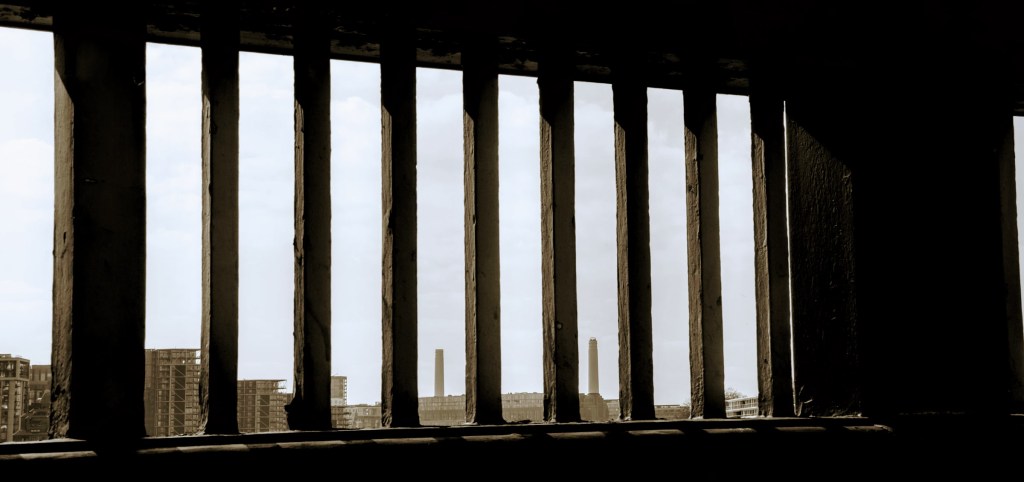
…or some simple graffiti that makes you wonder its meaning
#07: Vauxhall Pier
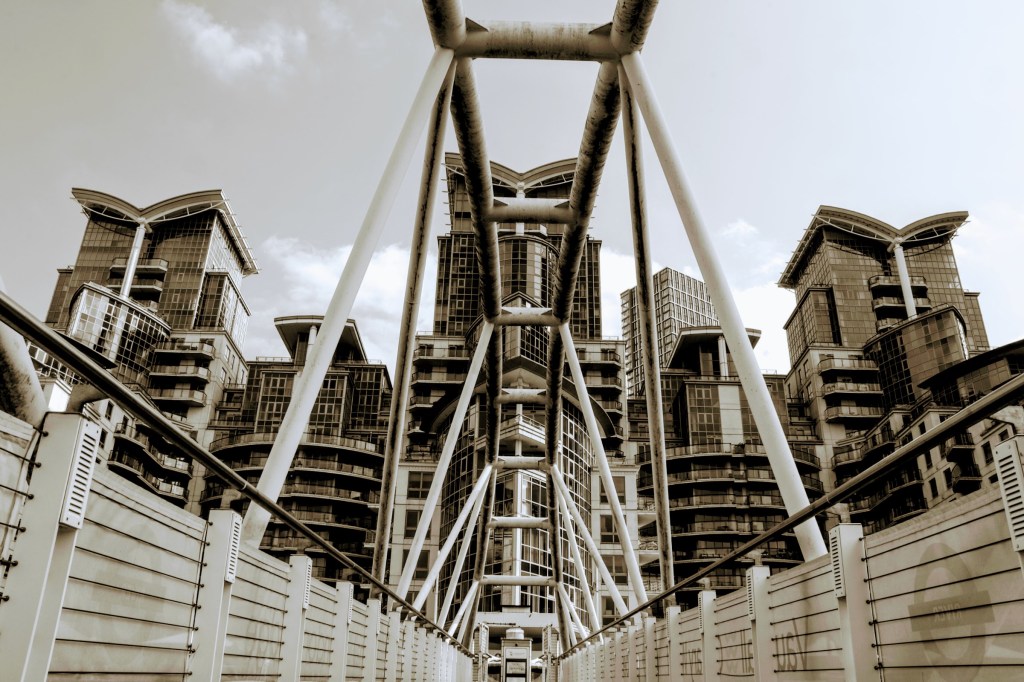
The southerly view of the pier has an artistic quality as the tubular framework embraces the surrounding development in an almost insect-like way.
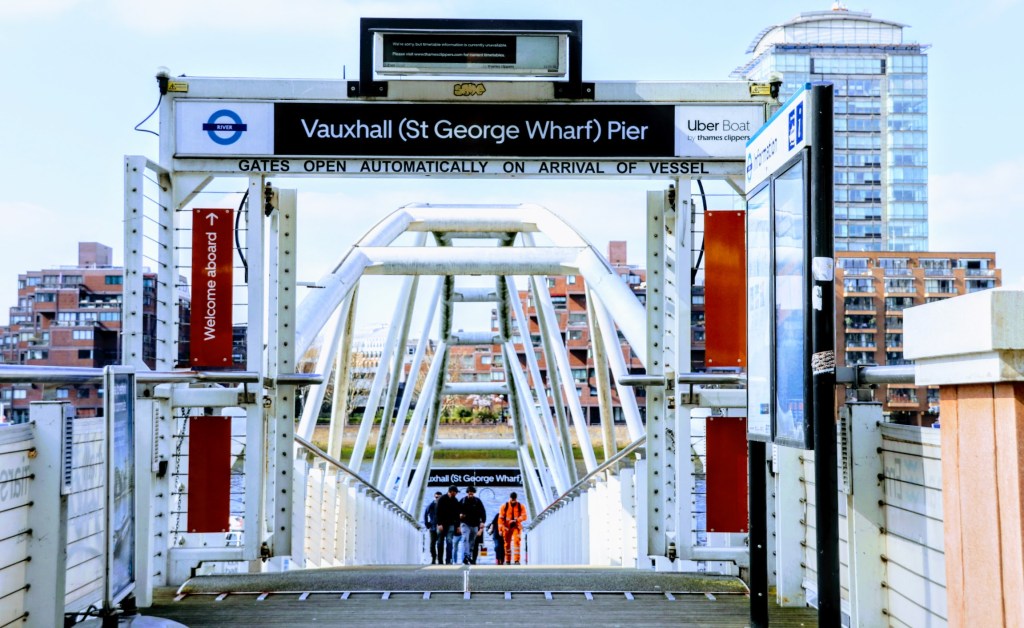
The northerly view, by contrast, is more functional and tells it as it is.
#08: Views from Millbank Pier
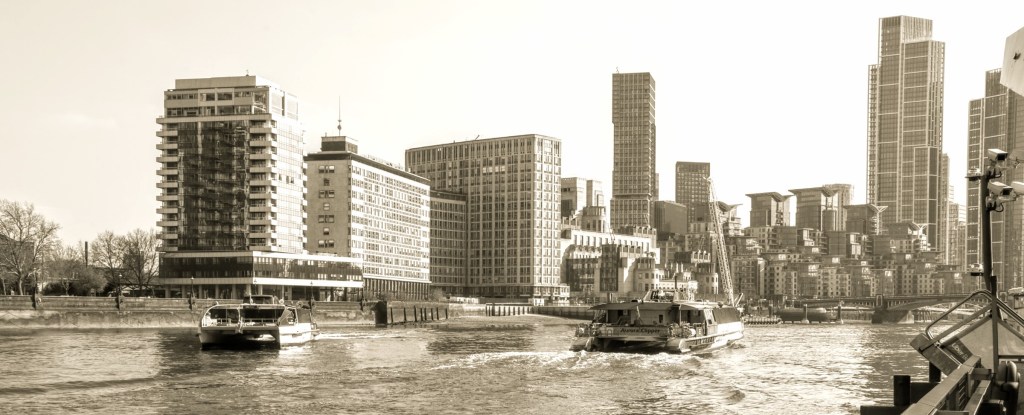
A little further down the river, and on the opposite bank, I wait for my #thamesclippers ride.
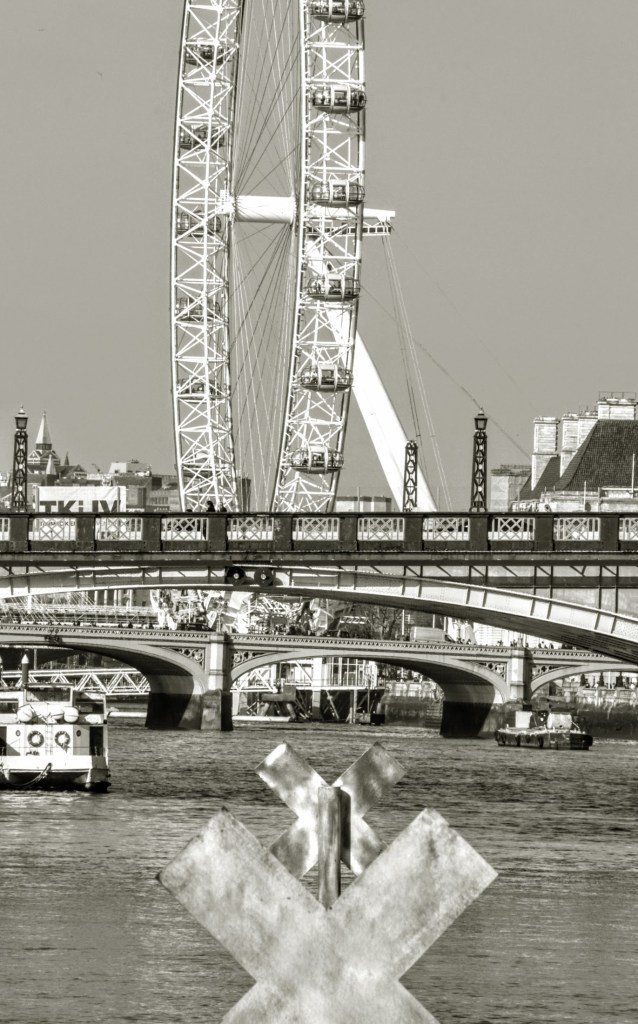
Looking both ways, I enjoy the iconic views with so much to see.
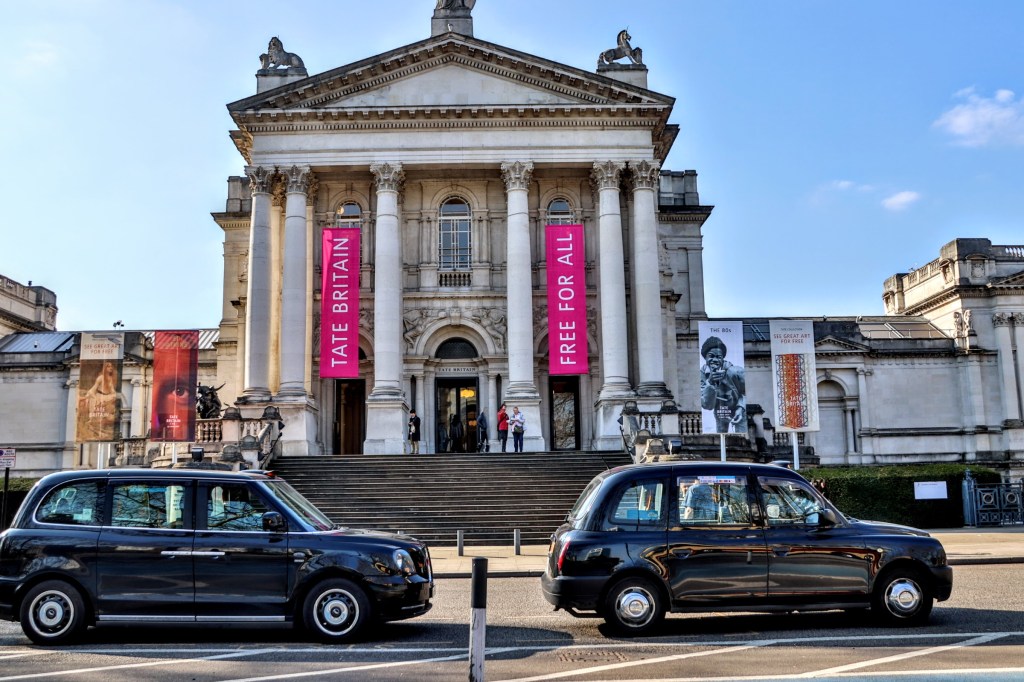
#09: Tate Britain
Who would’t be sucked into one of London’s treasures with a free invitation? If you’ve not been, I highly recommend it, whether it’s to enjoy the art or marvel at the late 19th-century architecture
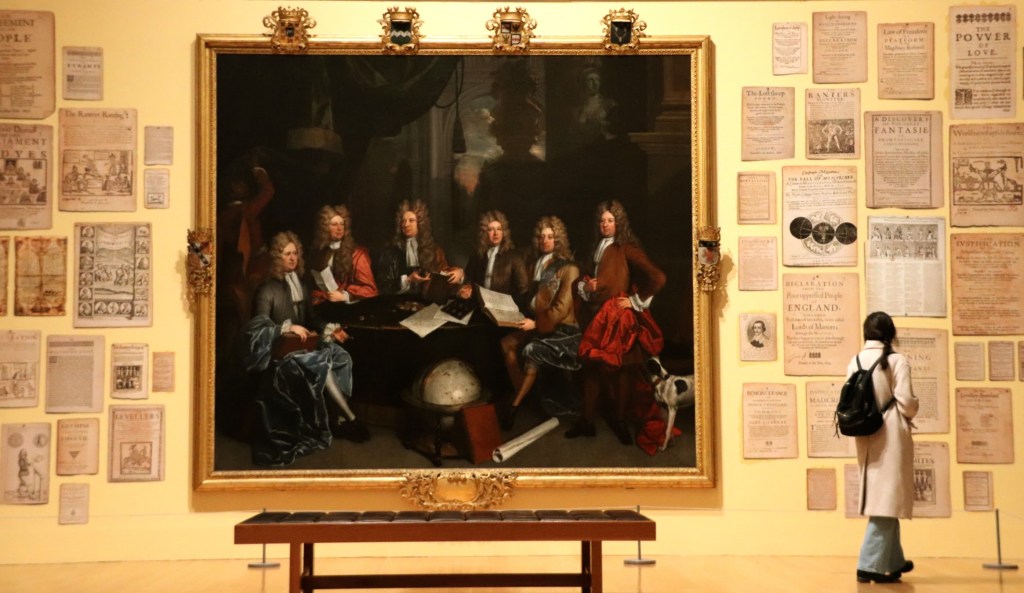
#10: Famous Paintings
There’s so much to see inside #TateBrittain, and if you have a passion for a particular artist, you can lose yourself in admiration of their brush strokes.
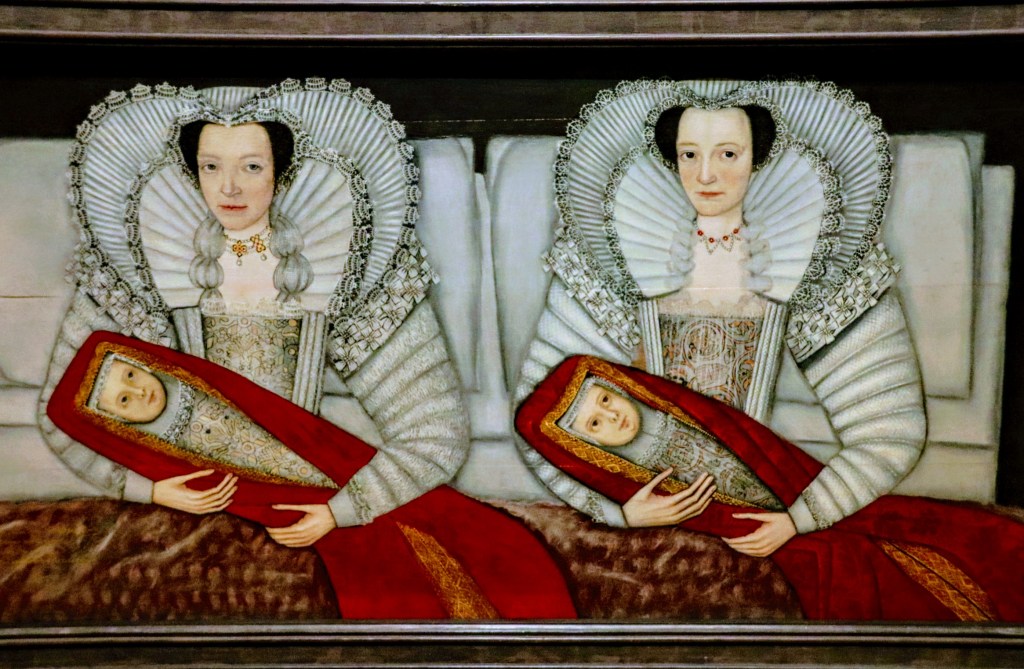
The story of #TheCholmondeleyLadies caught my eye.
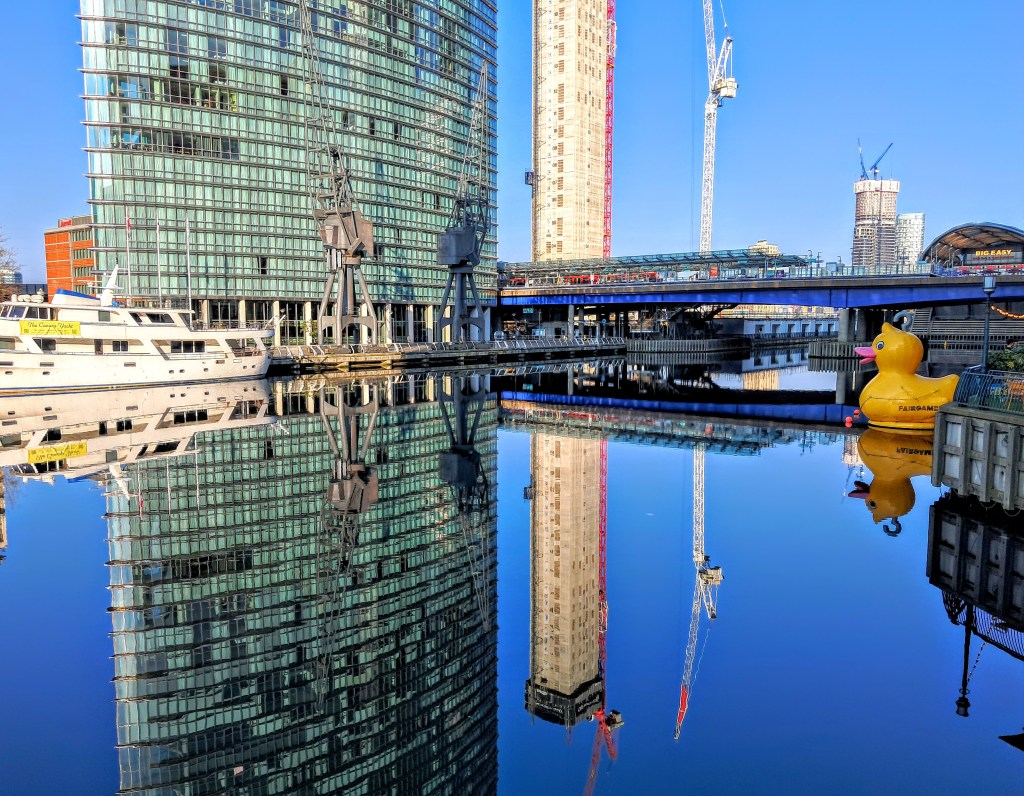
#11: Mirror View
I end my day traveling through #CanaryWharf, headed towards #WestIndiaQuay #DLR. The stillness of the North Dock waters produced this perfect upside-down copy.
Further Reading


Leave a Reply