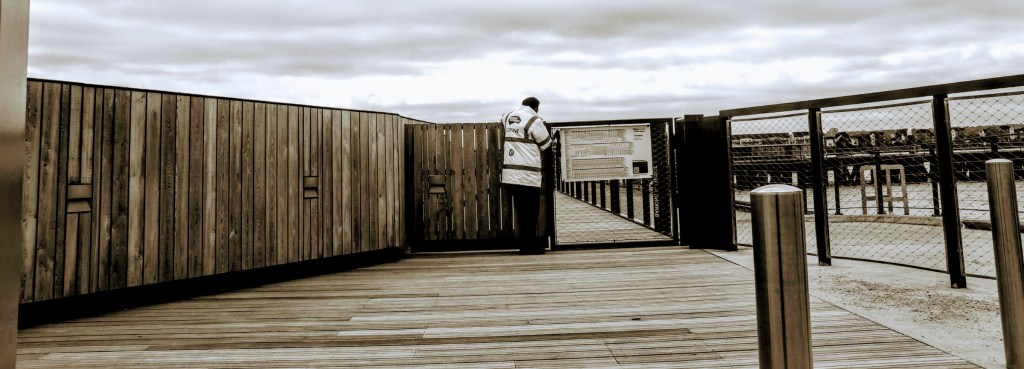
This was my first journey on my ‘Coddiwompling’ project, when I was still musing on what to include and what to exclude as I morphed my persona from ‘theendoftheline’ to ‘PhotosByRJT’. Since this journey three years ago in May 2023, I have settled on four aspects of how this project will evolve. Namely, to visit the bridges that cross the river (road, rail and pedestrian), its piers that serve the workers and tourists of London, the major water confluences that flow into the Thames, and the reachable tunnels under the river.
My blog posts are somewhat out of chronological order of when I visited, and I have some catching up to do since I started three years ago, but they nevertheless remain a record of the river’s history and a home for the images I have captured.
So let’s begin…
A Brief History
The story of Barking Riverside Pier begins long before it carried passengers. In the nineteenth century, this quiet bend of the Thames was not a place for commuters or riverboats, but for industry. Early jetties appeared here from around 1864, stretching out into the river like working limbs, built to serve the growing needs of London’s expanding industry. The Thames itself was not scenery; it was a lifeline.
By the early twentieth century, the area had taken on a harsher, more purposeful identity. The construction of the Barking Power Station transformed the riverside into a place of noise, smoke and relentless activity. In 1925, a coaling jetty was added, jutting into the Thames to receive the steady flow of fuel that kept the capital’s lights burning. Coal arrived by barge, unloaded in all weather, day and night. It was dirty work, but essential. The pier—though not yet known by its modern name—was part of this industrial rhythm.
The structure that largely survives dates from 1940, when a reinforced concrete jetty replaced earlier timber forms. Built during a time of uncertainty and war, it was solid, practical and unadorned. There was no thought then of passengers or regeneration—only durability and function. The riverbank here was not meant to be admired; it was meant to work.
Yet, like so many industrial sites along the Thames, its purpose did not last forever. The closure of Barking Power Station in 1981 marked the end of an era. The machinery fell silent, and the river traffic dwindled. What remained was a vast, empty landscape—concrete, rust and memory. For years, the jetty stood unused, stretching out into the water as if still waiting for ships that would never come.
This period of decline was not unique. Across East London, former industrial land fell into disuse as the city changed. But where others saw dereliction, planners and developers began to see opportunity. The wider Thames Gateway regeneration project aimed to reshape these forgotten spaces into new communities. Barking Riverside became one of the most ambitious of these developments, with thousands of new homes planned along the river.
The old jetty, once blackened by coal dust, was not demolished. Instead, it was reconsidered. In 2021, work began to transform it into something entirely different: a passenger pier. The original concrete structure was retained, a quiet reminder of its past, while new elements—floating pontoons and access ramps—were added. It was no longer about industry, but connection.
When Barking Riverside Pier opened in April 2022, it marked more than just the arrival of river transport. Boats operated by Uber Boats by Thames Clippers began calling at the pier, linking this once-isolated stretch of the Thames to the heart of London. Where coal barges had once docked, passengers now stepped on and off, carrying bags, conversations and everyday routines.
There is something fitting in that continuity. The shape of the jetty remains, its purpose altered but its presence unchanged. It still reaches out into the Thames, just as it did decades ago. But the story it tells is different now. No longer a place of industry and labour, it has become part of a quieter, more human rhythm.
In this way, Barking Riverside Pier stands as a reminder that places do not simply disappear when their original purpose ends. They adapt, they wait, and sometimes—given time—they begin again.
My Journey and Images
I visited the pier and the surrounding area on the second of May 2023 and posted the images on social media in October 2023.
This was an opportunistic visit to combine the end of one project with the start of another. In my first book, ‘Memories from The End Of The Line’, where I travelled to the end of every TfL line, Barking Riverside Overground station was only under construction. But by the time I started my ‘Codiwompling along the Thames’ project, the station had recently opened, so a double whammy
It was difficult not to retrace my original steps, but interesting to see how the area had developed since my first visit three years earlier. And I am sure, a further three years on, the area will have grown even more. Maybe I should consider another visit?
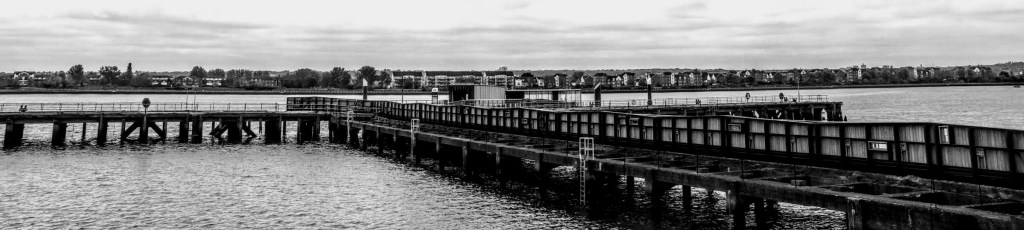
#01: Pier View
I had just missed the boat, so I had to settle for this river view instead of from one of the Uber Boat by Thames Clippers.
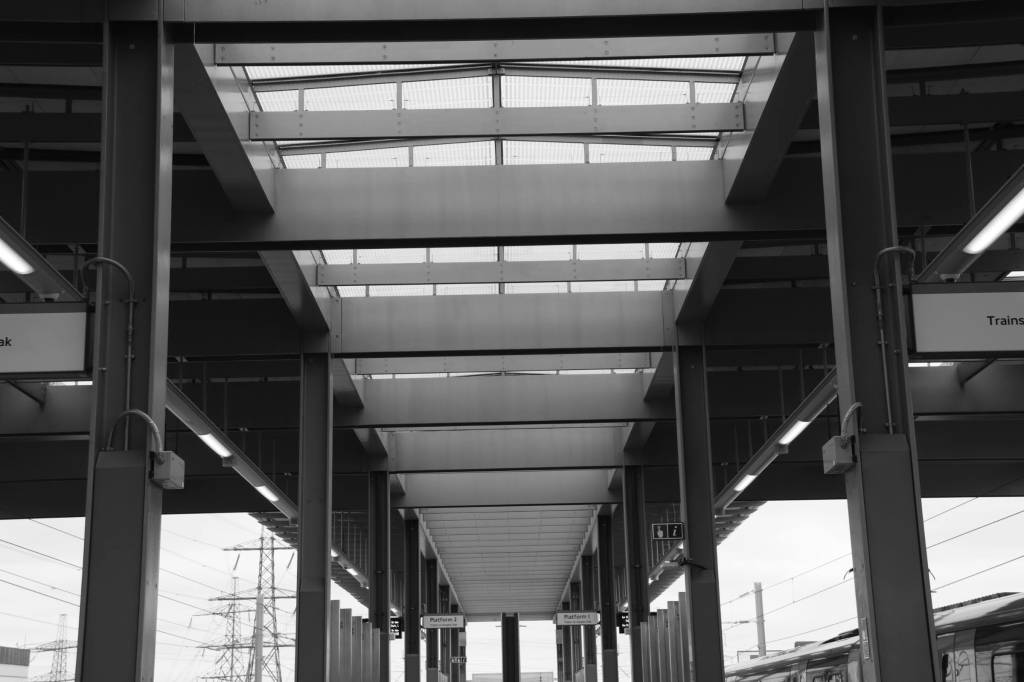
#02: New Roof
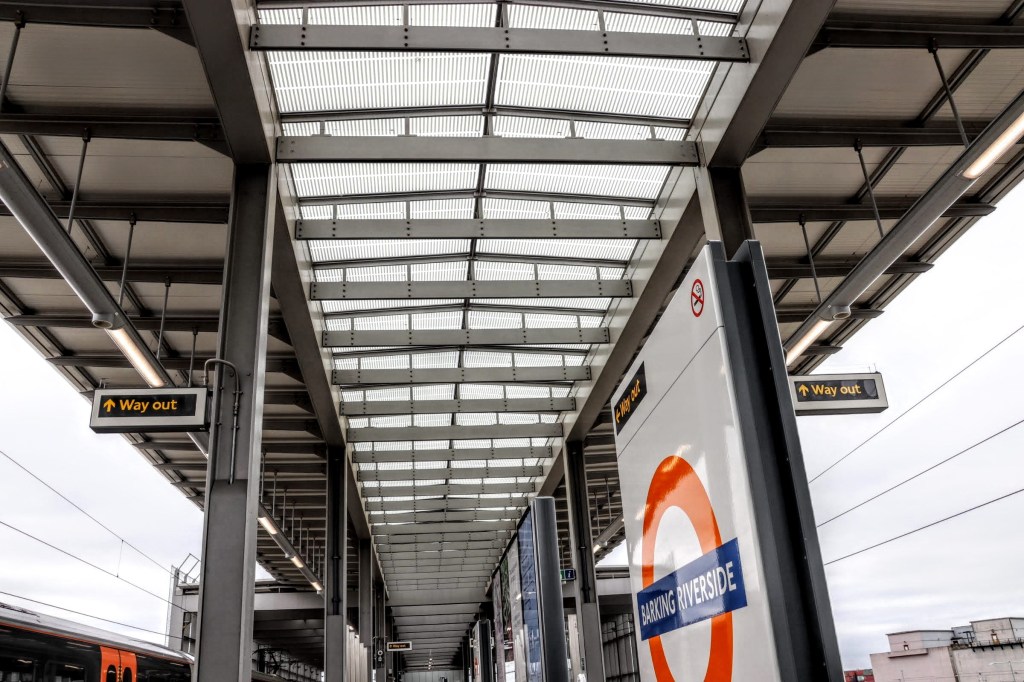
Do you look up when wandering around London? If not, you should, as otherwise you’ll miss loads of interesting things, such as the roof of the new Barking Riverside Overground station.
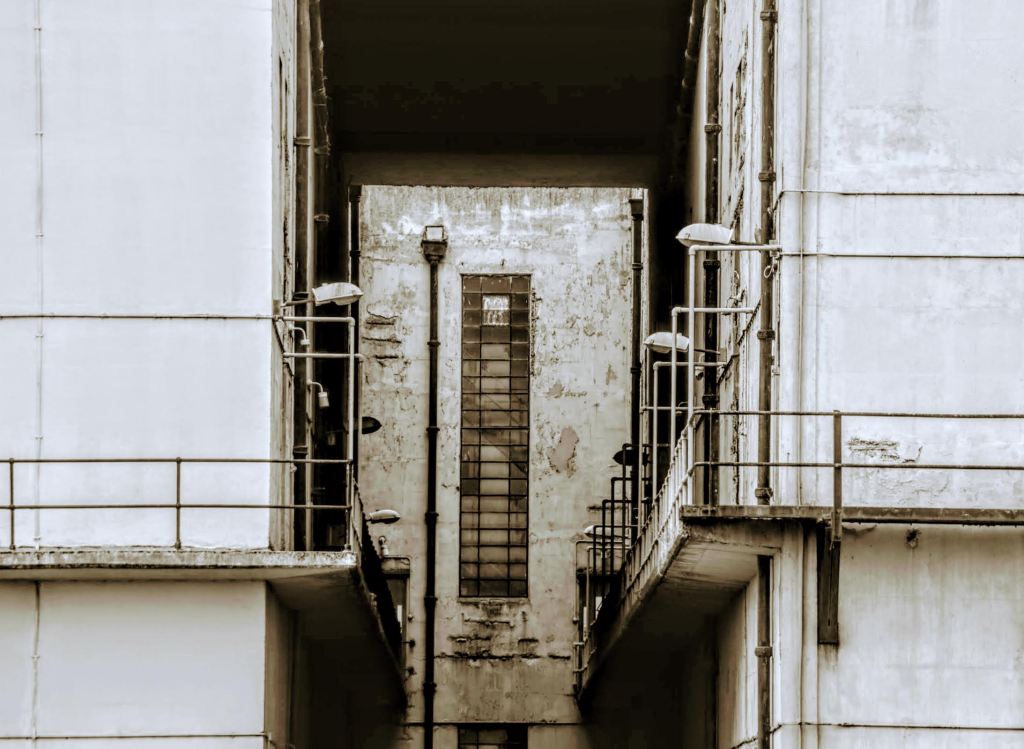
#03: Barking Substation
Next to the Overground station, this derelict building provides a historic reminder of Britain’s industrial past.
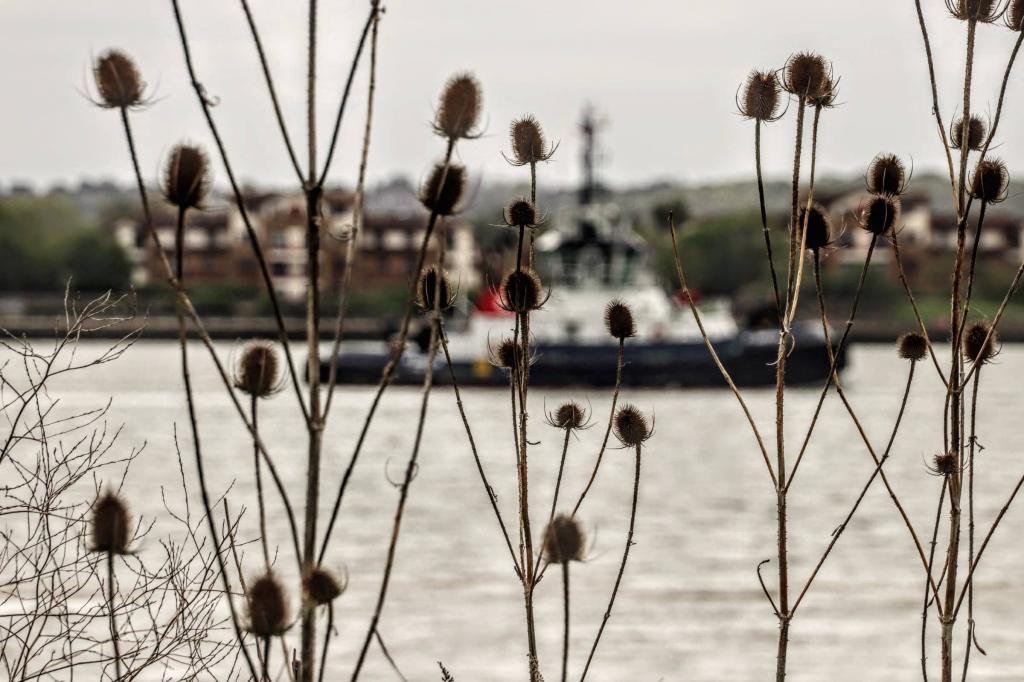
#04: RT Ambition
The Maltese-registered tug is based at Tilbury and operates between there and Purfleet. Here it is manoeuvring upriver. It was travelling with its Dutch companion, RT Peter.
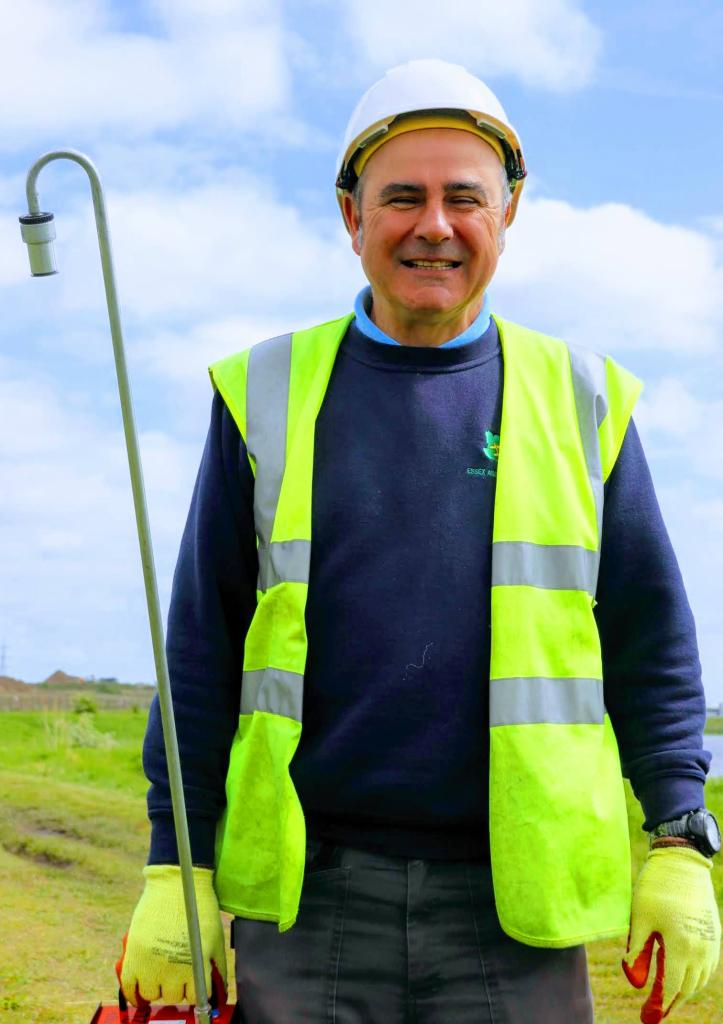
#05: Ian
Ian is the owner of Essex Asbestos Testing. He was collecting sample boxes from around the Riverside Development, where he tests the levels on a regular basis as part of the Development’s continual duty of care.
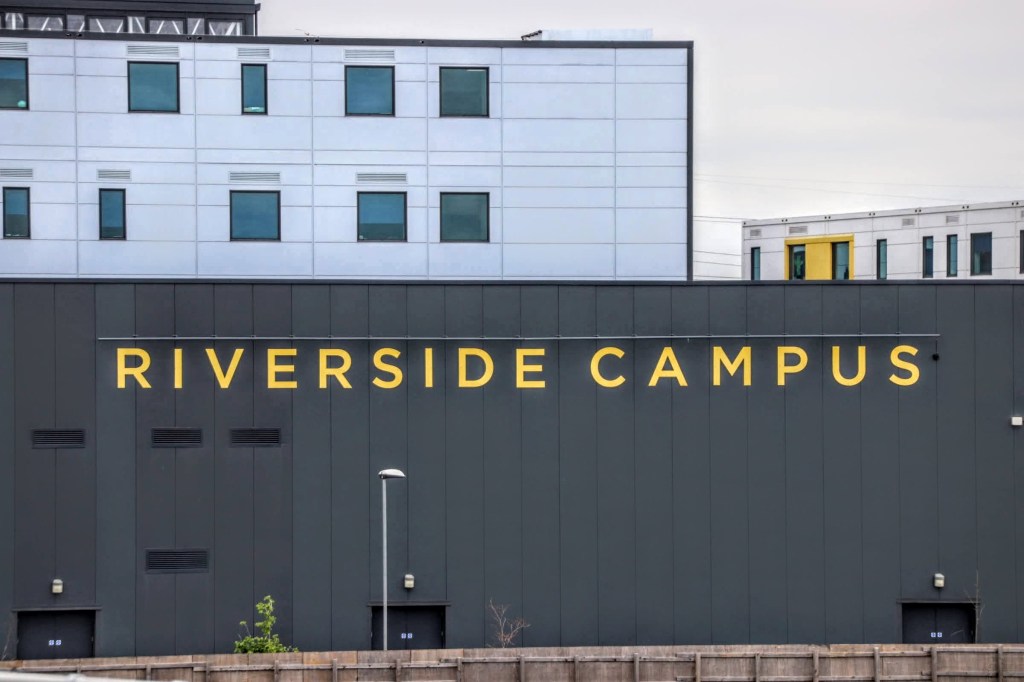
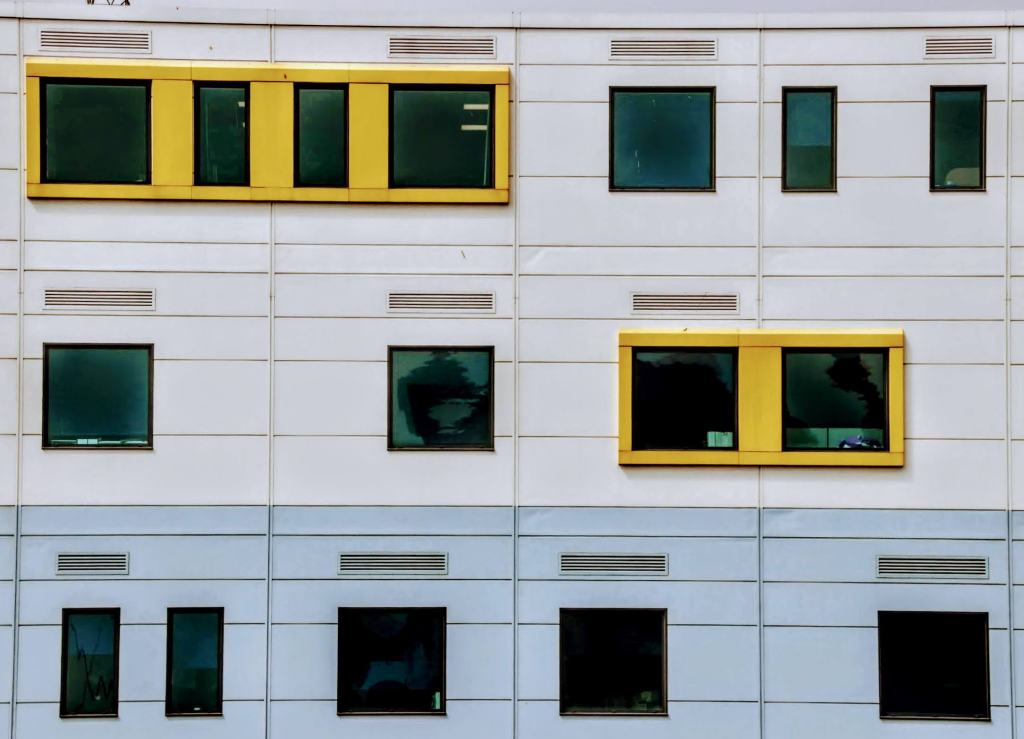
#06: School Colours
The school’s building is encased in striking colours to complement the window displays.
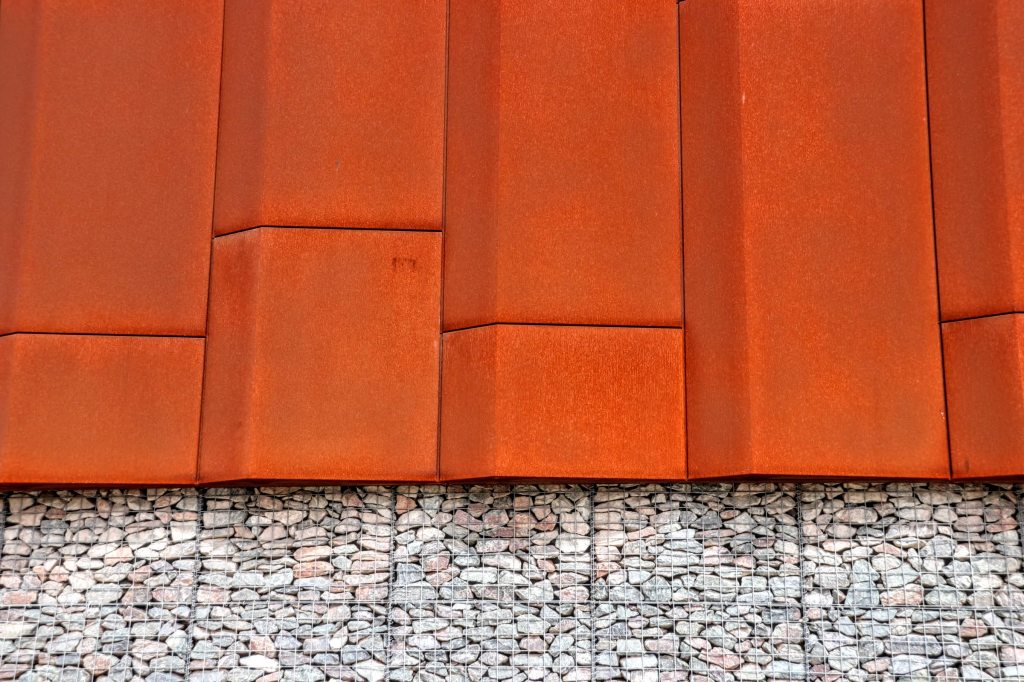
#07: The Wilds
The Wilds is a multi-purpose community, ecology and events space open to the public at the eastern end of Barkingside Development, set beside an Eco Park.
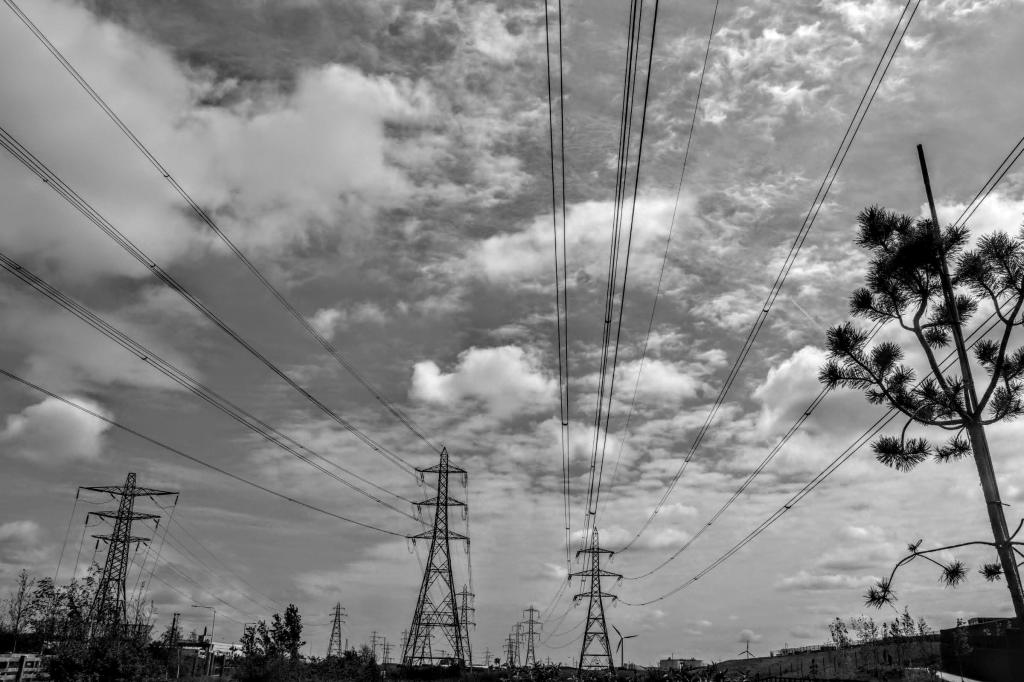
#08: Power Lines
This is the overhead view from The Wilds Eco Park looking towards Dagenham Dock and Rainham. The power lines emanate from the nearby substation opposite the Overground station.
Further Reading


Leave a Reply